Newsletter · March 14, 2025
Luck Is on Your Side—Here’s What You Need to Know

This Monday, we’re all a little Irish, and while we can’t promise a pot of gold, we can bring you something just as valuable—important updates that keep you ahead of the game. As St. Patrick’s Day rolls in, think of this newsletter as your lucky charm, packed with need-to-know developments in tech, cybersecurity, and business. So, raise a green drink, and let’s jump into what’s shaping the industry this week!
Student Data Privacy: A Responsibility We All Share
In today’s classrooms, technology is everywhere—helping students learn, connect, and grow. But with more devices, apps, and online platforms in use, protecting student data is more important than ever. A single breach could expose personal information, disrupt learning, and weaken the trust schools work so hard to build with families.
At Pine Cove, we believe student safety extends beyond the classroom walls. Schools shouldn’t have to navigate evolving privacy laws and cybersecurity threats alone. That’s why we’re committed to keeping our communities informed, sharing the latest insights, and helping educators take meaningful steps to secure student data.
We dug into the risks, the regulations, and the real-world solutions in our latest blog—because when it comes to student safety, there’s no room for compromise.
Read more: Safeguarding Student Data Privacy
Quick Bytes: Must-Read Articles:
- The Enduring Role of Enterprise Data Centers in the Cloud Era: While cloud adoption is rising, enterprise data centers remain essential for security, compliance, and workload-specific needs—proving that the cloud won’t replace them entirely.
- FBI Warns Mobile Users: Delete ‘Smishing’ Texts Immediately: The FBI warns of a surge in "smishing" attacks—fraudulent texts posing as toll or delivery alerts to steal personal data. Users are urged to delete suspicious messages to prevent fraud.
- Meta and OpenAI Intensify AI Agent Development Amidst Competitive Landscape: Meta is testing its first in-house AI chip to reduce reliance on external suppliers, while OpenAI plans to charge up to $20,000 per month for advanced AI agents. The race for AI supremacy is heating up.

FCC’s National Security Council: What It Means for Your Business and Our Communities
At Pine Cove, we keep a close eye on the shifts in technology and cybersecurity because we know they don’t just affect large enterprises—they impact the communities we live and work in. The FCC’s latest move to establish a National Security Council is one of those moments that businesses, IT leaders, and local organizations need to pay attention to.
This new council isn’t just another government task force. It’s a direct response to increasing cyber threats, espionage risks, and the global race for technological leadership. With China rapidly advancing in AI, telecommunications, and critical infrastructure, the U.S. is taking steps to ensure national security and economic stability. That means stronger defenses against cyberattacks, tighter scrutiny on foreign technology providers, and an accelerated push for innovation within our own borders.
But what does this mean for businesses like yours? It signals a shift in how we think about security—not just as an IT issue but as a fundamental part of economic resilience. Expect to see new regulations around network infrastructure, heightened cybersecurity standards, and a greater emphasis on securing supply chains. If your business relies on technology providers, now is the time to start evaluating where your vulnerabilities might be and how you can stay ahead of evolving compliance requirements.
At Pine Cove, we highlight these developments because they matter—not just to IT professionals but to the businesses and communities that rely on secure, stable networks every day. As always, we’re here to help you navigate these changes with confidence, ensuring that technology remains a tool for growth, not a vulnerability.
Stay informed, stay secure, and let’s continue building a future where technology works for all of us. Read the full article here
IT Tall Tales – Pine Cove Edition
Let’s switch things up this week. We talk a lot about security best practices and smart IT decisions—but what about the absolute worst advice floating around out there? Some myths are harmless (like how swallowing a watermelon seed will turn your stomach into a fruit farm), but in IT, bad advice has real consequences. So before someone takes one of these tall tales as gospel and turns a minor inconvenience into a full-blown disaster, let’s set the record straight.
Tall Tale #1: If your Wi-Fi is slow, just reset the router.
Reality: Ah yes, the classic “turn it off and back on” move. The same strategy you swore by as a kid when your video game froze—because everyone knew that yanking out the cartridge and blowing into it was advanced engineering. Sure, a reset might work, but if your Wi-Fi needs a daily reboot to function, that’s not a fix—it’s a hostage situation. Maybe it’s interference, outdated hardware, or your router is just emotionally checked out. Either way, slapping the power button isn’t a strategy—it’s just delaying the inevitable moment you have to explain to your boss why the internet disappears every time someone microwaves lunch.
Tall Tale #2: Hackers only go after big companies.
Reality: Right, and pickpockets only target billionaires. Hackers love small and mid-sized businesses—less security, fewer resources, and, best of all, a management team that still thinks cybersecurity is just an IT problem. Cybercriminals aren’t out here making a hit list of Fortune 500 companies; they’re running scripts that scan for weak systems like a burglar walking down a street checking for unlocked doors. If your entire security strategy is built on “I hope they don’t notice us,” you might as well leave the front door open and put up a WELCOME HACKERS sign.
Tall Tale #3: A strong password is all the security you need.
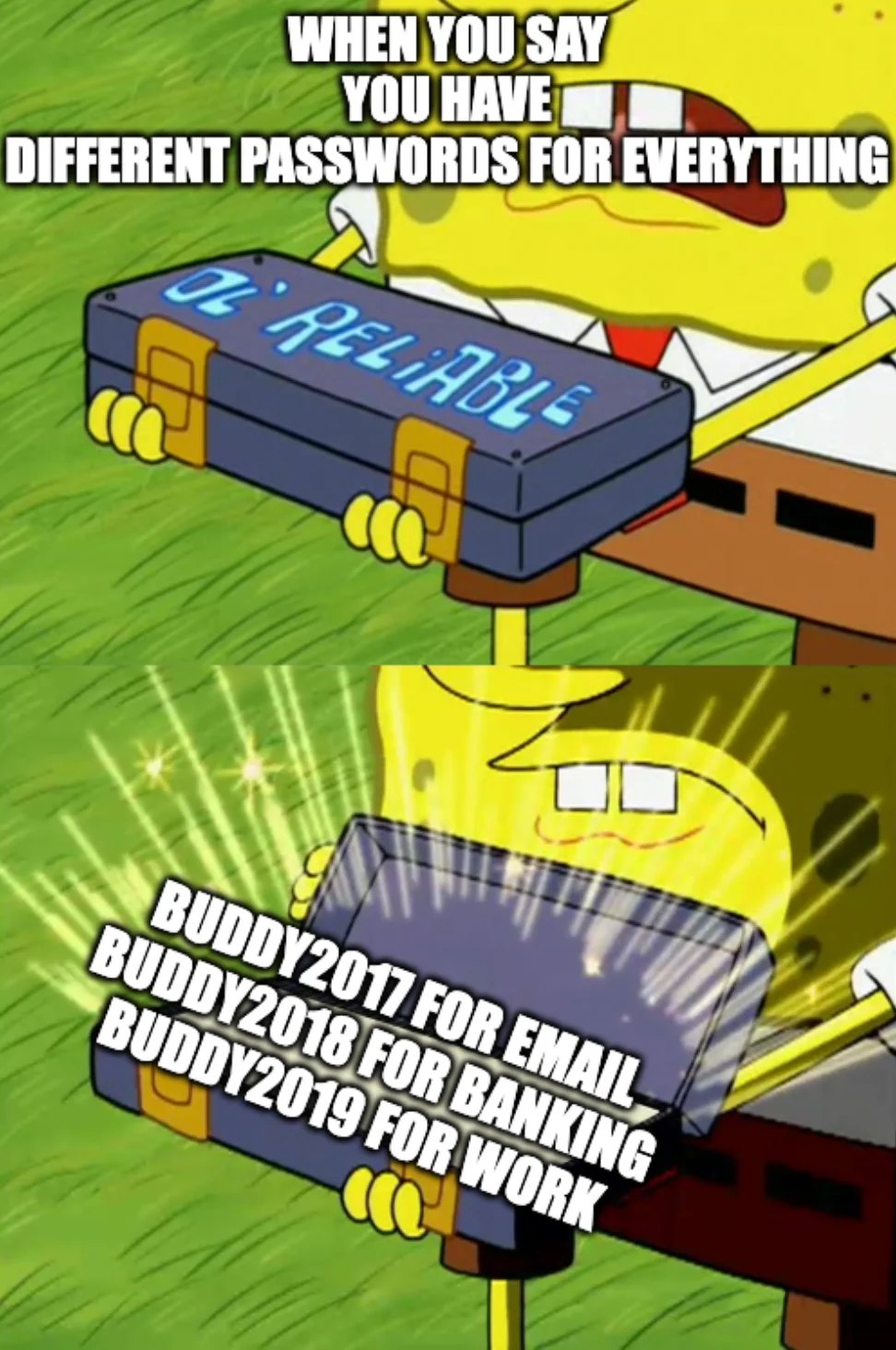
Reality: We love the optimism, but let’s be honest—if your “strong password” is stored on a sticky note under your keyboard, you might as well send out an open invitation to hackers. And if you’re still reusing passwords across multiple accounts, you’re not protecting your data—you’re offering it up like a free sample at Costco. Want real security? Use multi-factor authentication (MFA). Think of it like locking your front door and also not leaving the key under the doormat labeled “KEY.”
Tall Tale #4: The cloud is just someone else’s computer.
Reality: And an airplane is just a flying bus. Look, the cloud isn’t some guy’s laptop in a basement—it’s an enterprise-grade, high-performance infrastructure built for security and reliability. Calling it “just someone else’s computer” is like saying an Amazon warehouse is “just a really big closet.” If you’re still clinging to on-prem solutions like they owe you money, it might be time to step into the 21st century—before your servers file for retirement.
Got an IT myth you keep hearing? A tech horror story worth sharing? Send it our way—because separating fact from fiction is what we do best (well, that and making sure your Wi-Fi doesn’t require a prayer circle to stay connected).
Until Next Time—Stay Sharp, Stay Connected
That’s it for now! We’ll be back in two weeks with more must-know updates, no fluff—just the good stuff. Until then, stay secure, stay ahead, and may your Wi-Fi be strong and your inbox spam-free.